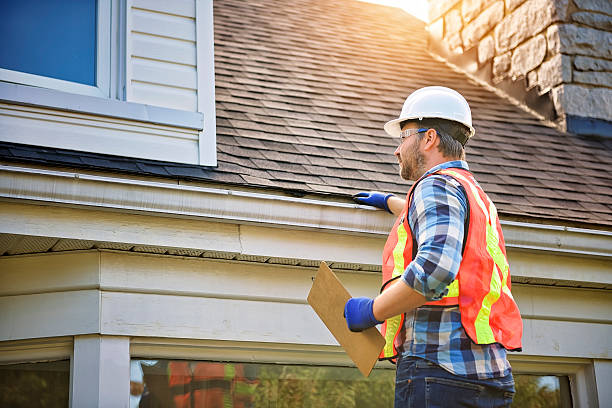
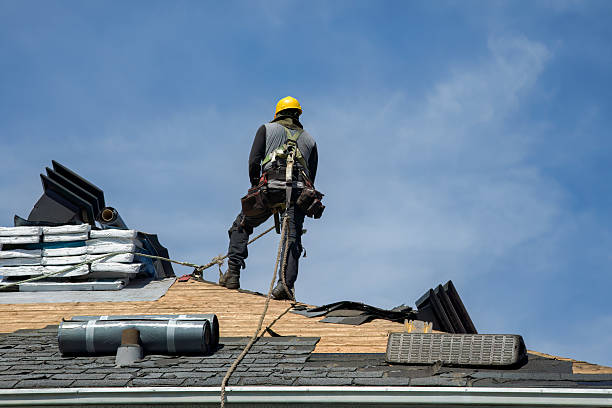
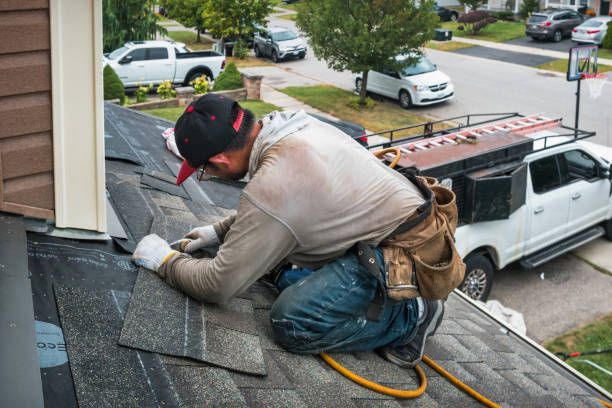
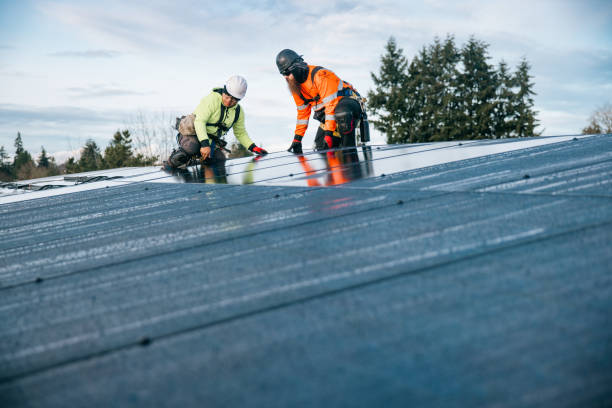
When a storm tears through Council and shingles start peeling off the roofline, you need a crew that picks up the phone and shows up — not a call center that puts you on hold.

Long before Roof Repair Smedway had a website, our lead foremen were already climbing ladders across Council, ID, learning which underlayment holds up against humidity and which fastener pattern actually survives a coastal gust line.
We carry full liability coverage and workers' compensation, and every lead installer holds current state licensing, so a claim adjuster, a home inspector, or your own insurance carrier can verify our credentials without a single awkward phone call.
A patched flashing that leaks again in eighteen months costs a homeowner more than the first repair ever saved. That's why our Roofing crews follow manufacturer specs on every nail pattern and every underlayment overlap, not just the visible parts.

Every lead technician carries current state credentials before stepping on a ladder.
Storm damage doesn't check a calendar, so neither does our on-call rotation.
No surprise charges once the crew is already on your roof.
Faster arrival times because the truck was already nearby.
Most roof failures don't happen overnight — they build quietly for months before a homeowner notices the ceiling stain that finally forces the issue.
If your downspout discharge looks like sand, the UV-protective coating on your shingles is breaking down faster than it should.
Shingle edges that curl upward have usually lost flexibility, which makes them far more likely to crack or blow off in the next storm.
Visible light through the roof deck is a direct sign the barrier between your attic and the weather has been compromised.
Ceiling stains tend to grow slowly, which is exactly why they're often ignored until the damage spreads.
Poor roof ventilation or compromised insulation from a slow leak can quietly push cooling costs up month over month.
Even one missing shingle can let enough water through to rot the decking underneath within a single storm season.
We break our work into distinct service lanes because a wind-lifted ridge cap and a full tear-off need completely different crews, materials, and timelines.
When high wind or hail peels back a section of roofing, our on-call crew tarps the exposed area to stop active water intrusion before it reaches the decking, then schedules the permanent repair.
From a handful of cracked shingles to a full asphalt or metal system replacement, our residential crews scope the job against manufacturer specs, not guesswork.
We schedule commercial jobs around business hours whenever possible, minimizing disruption to tenants, staff, or foot traffic.
Replacement jobs include a detailed material walkthrough so you're choosing a system that fits your climate exposure and budget, not just whatever's on the truck.
Scheduled maintenance visits catch loose flashing and clogged valleys before the next storm turns them into an emergency call.
Chimney crickets, skylight seals, and valley flashing are common leak points that general handyman work often gets wrong — our crews treat them as their own scope.

Calls placed after hours still reach an on-call line for anything urgent.
You get a plain-language explanation of what's actually happening, not just a repair quote.
Financing and insurance-claim assistance are discussed at this stage if applicable.
Once approved, the crew schedules the work and completes it to manufacturer spec, cleaning the property before leaving.
Because our teams are already local, we're rarely the company still driving in from three counties away.
We'd rather lose a job over an honest price than win one with a lowball number that grows later.
Our installers train on manufacturer specifications for shingles, underlayment, and flashing systems, not just general carpentry.
We'd rather send a crew back for a five-minute fix than leave a customer unsure whether the job was done correctly.
Our estimates are itemized in a format most carriers recognize, which speeds up claim approval.
If a repair is all your roof needs, we'll say so — we don't push a full replacement to inflate the invoice.

Every Roofing project closes with a written warranty covering our labor, separate from whatever coverage the shingle or membrane manufacturer already provides.
Material substitutions or unexpected decking damage found mid-job are always discussed with you first — we don't add line items after the fact and hope you don't notice.
We keep multiple crews staged across Council, ID so that a storm hitting one part of the region doesn't leave the rest of Council waiting.
Dispatch routes are planned around Council's actual neighborhoods and access roads, not a generic radius drawn on a map, which is part of why our arrival estimates tend to hold up.

"Full tear-off and reroof on our place took three days start to finish. Cleanup was better than I expected — not a single nail left in the yard."
— Council Homeowner
"Insurance adjuster actually complimented how detailed our documentation was. Made the claim process a lot less painful than I expected."
— Council Homeowner
"They talked us out of a full replacement we didn't need. Repaired the flashing instead and it's held up fine two winters later."
— Council Homeowner
"Ridge vent replacement dropped our attic temperature noticeably. Didn't expect that big a difference."
— Council Homeowner
"Storm-chasers kept knocking on our door after the last big wind event. We called Roof Repair Smedway instead because they're actually based here."
— Council Homeowner

Same-day emergency response and honest, upfront pricing across Council, ID.
☎ Speak To A Roofer Now